

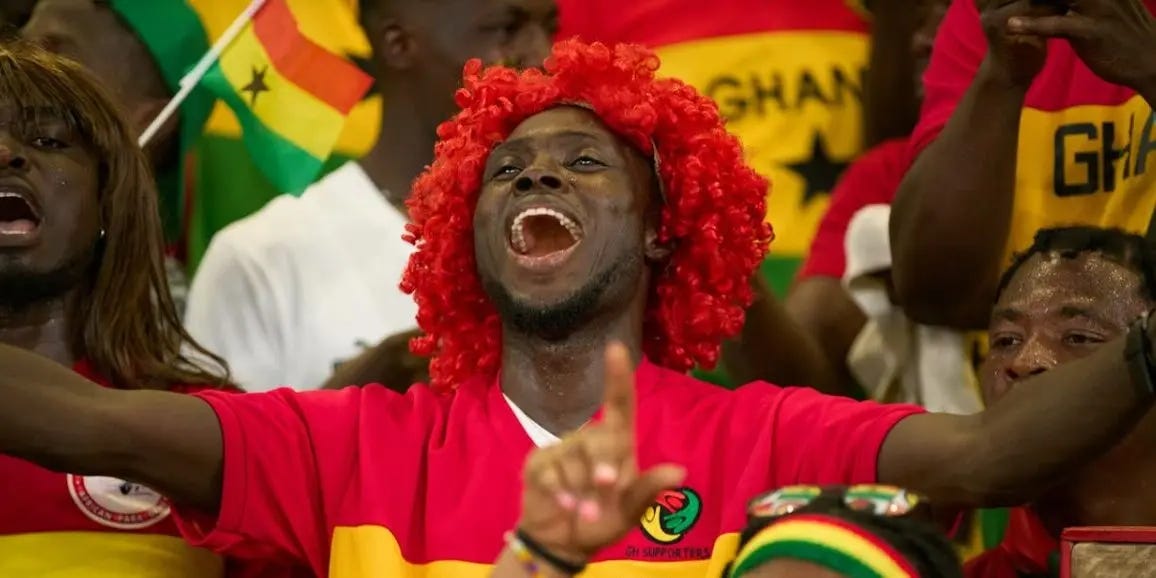
CALGARY—On top of the joy that is Arsenal’s first Premier League title in 22 years, on June 11, Canada, the United States, and Mexico will begin to host the 23rd FIFA Men’s World Cup. There is nothing like this tournament in any other sport; this is truly a global event, boasting 3,404,252 (53,191 per match) in attendance at the 2022 tournament hosted by Qatar. Out of this competition, legends are born, and Cinderella teams and dark horses emerge from the shadows. The fans who light up the stadiums are not to be forgotten, either: the Black Stars of Ghana, the Trinidadians, and who could forget the vuvuzelas of the South African fans at the 2010 World Cup where Spain bored us to death in the final.
Unfortunately, this year, FIFA and Canadian governments have priced out regular people from this tournament in the middle of an affordability crisis. This tournament will end up being the most expensive in history for fans.
In Canada, the tournament will be hosted by Vancouver and Toronto, covering 13 games from the expanded participation format, costing Canadian taxpayers at least $1-billion, as reported by CBC News. World Cup bids are made a decade in advance, but the Toronto spending plan that estimated $30-million to $45-million in costs has ballooned ten-fold to approximately $380-million, on the low end. For Vancouver, the costs began at $240-million and increased to $624-million; the feds have kicked in $220-million to both cities.
When politicians tell us there’s no money for social services, they’re lying to us.
FIFA would probably say that the cost will be recouped by the number of visitors to host cities where they will increase economic activity by patronizing local businesses—or so prevailing wisdom suggests. But that wisdom may not materialize. The British Columbia government expects 350,000 fans to make the pilgrimage; however, the CBC reported that “hotel bookings in Vancouver were actually down 20 per cent in June compared to the year prior.” Odd as that may seem, it has been shown that hotels tried to gouge incoming guests, who eventually ghosted them. Toronto Metropolitan University’s Institute for Hospitality and Tourism Research found an 113-per-cent increase in the price of rooms during the tournament, according to the CBC.
If you like the work I do, please consider buying me a coffee!
FIFA’s contract, obtained by Breaker News, stipulates that there needs to be a “controlled area” around the venues. In Vancouver, the games will be played at B.C. Place, which is downtown. FIFA also mandated a beautification stipulation around the city to ensure attractiveness of the area, which includes the Downtown Eastside, which is known for its unhoused and drug-addicted communities. Already there is a “silent, veiled displacement occurring,” as Jenna Breuer of the Atira Women’s Resource Society told Vancouver is Awesome. The city gave Atira a parsimonious sum of $35,000 to displace this vulnerable population. This means effectively removing what few supports they have.
In New York City, Mayor Zohran Mamdani constructed a lottery that is giving away 1,000 tickets for $50 each, plus free round-trip bus transportation. In a speech, Mamdani highlighted the tournament’s working-class roots: “We are making sure that working people will not be priced out of the game that they helped to create.” Neither Vancouver nor Toronto have negotiated with FIFA on ticket prices.
FIFA could’ve potentially shot itself in the foot with ticket prices after introducing dynamic pricing. In this paper, I wrote about this method of cheating the consumer a few weeks ago: “Dynamic pricing is the practice of maximizing revenue by aligning your willingness to pay with the price of the goods and services on offer.” And now they have algorithms to ensure their exploitation leaves nothing on the table for working people.
In April, Canada’s opening group stage match on June 12 against Bosnia and Herzegovina was on sale for $3,125. Currently, on StubHub, the lowest price is $1,230 (category 4). This is obscene for a World Cup ticket price. The opening group stage match in category 4 in Qatar in 2022 was $55; subsequent group stage matches were $11, as documented by NBC News.
There’s also a resale market, from which FIFA takes 15 per cent off the top. They are expected to take in US$13-billion; none of the sponsorship and advertising money goes to the host cities, it is retained by FIFA.
Footy has always been a sport of—and played by—the working class. What we are seeing is not only the greed and graft of FIFA—which, if you’re a true football fan, is always expected—but the disappearance of yet another event that has served regular people from all over the world. We are being priced out of our leisurely activities, events, and experiences that connect people.
Erica Ifill is host of the Bad+Bitchy podcast.
The Hill Times
Find Bad + Bitchy:


